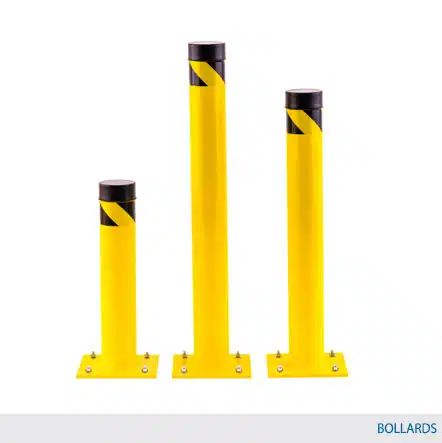
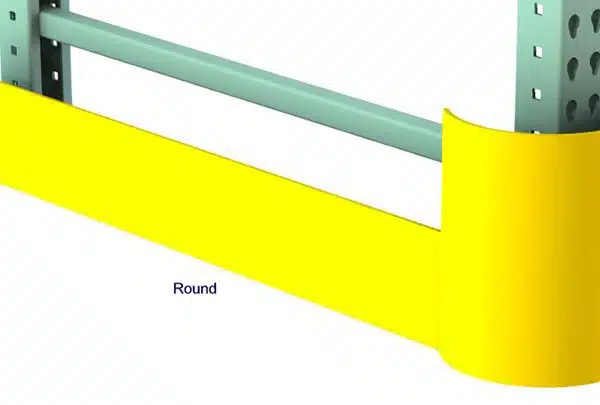
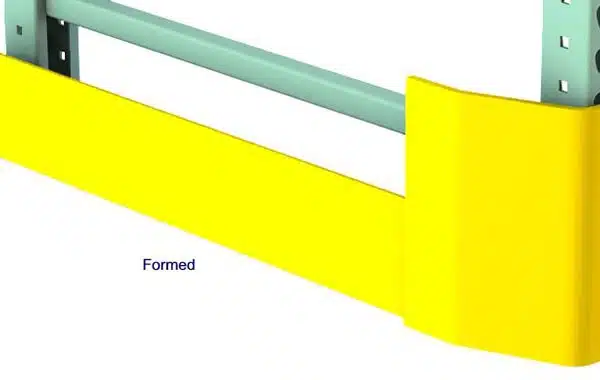
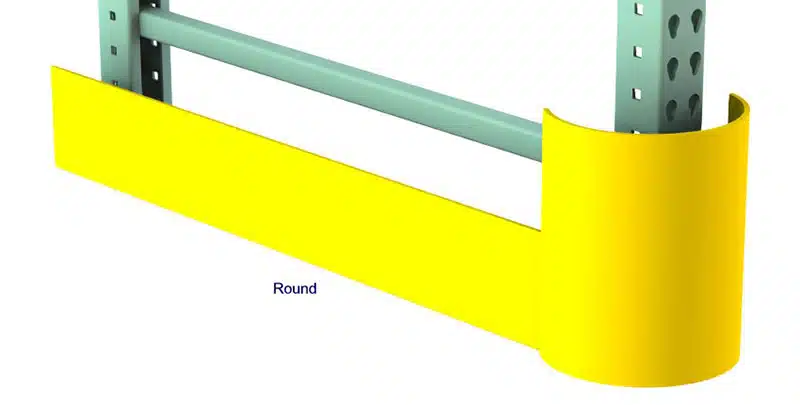
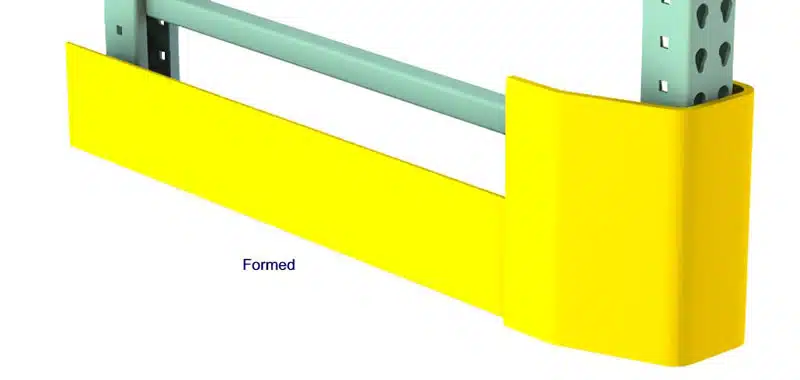
Safety Equipment is vital in the protection and cautioning of your employees from dangerous activities and areas, protection of your products and manufacturing machinery and company assets in any warehouse, distribution center, industrial plant or manufacturing facility. From simple Guard Rails or Safety Bollards to protect walk-ways and machinery, to Safety Netting in areas with Overhead Conveyors, to Ship Ladders to access Roofs, your facilities’ needs for Safety Equipment will never decrease. Safety Netting, Cat Walks, Ship Ladders, Hand-Rail, Guard Rail, Safety Bollards, Line Painting and Striping, Protective Wire Cages, Rack-Back Protection and Safety Light Barriers are all in our portfolio of expertise.
For every type and manufacturer of Safety Equipment for your warehouse, distribution center or industrial facility, Atlantic Installation Company is able to offer turn-key project management and installation services. We will provide free quotes, site visits, rental equipment arrangements, and fasteners to you and your customers for the duration of the process. Our Project Management team, together with our team leads will oversee the entire project from start to finish. Our manufacturer-certified installation team has a combined 90-Years of experience, and are trained to efficiently receive, install, maintain and expand your Safety Equipment.
Atlantic Installation Company can also assist you in moving or improving of your warehouse or facilities. Providing you with the same great services listed above to dismantle, stack, and ship via flat-bed or van to your new facility’s location. Quickly and safely receiving the material and installing it so that your operations are not interrupted. Continually being able to accomplish this has allowed Atlantic Installation Company to remain a leader in the Material Handling Installation industry.
For a free quote, contact us today and we will get right back to you with available options that fit your budget & the needs of your business.